
20 Ways to Get An Apple to Listening to the Music of Mozart
Silicon Valley is turning AI into the oracle we consult before ourselves. A Kabakov apple, the blind men, and why your truth was never outside you.

The conceptual artist duo Ilya & Emilia Kabakov once built an enormous table, with twenty seats and plates around it.
In the middle sits a single apple, placed so that it is impossible to reach from any side.
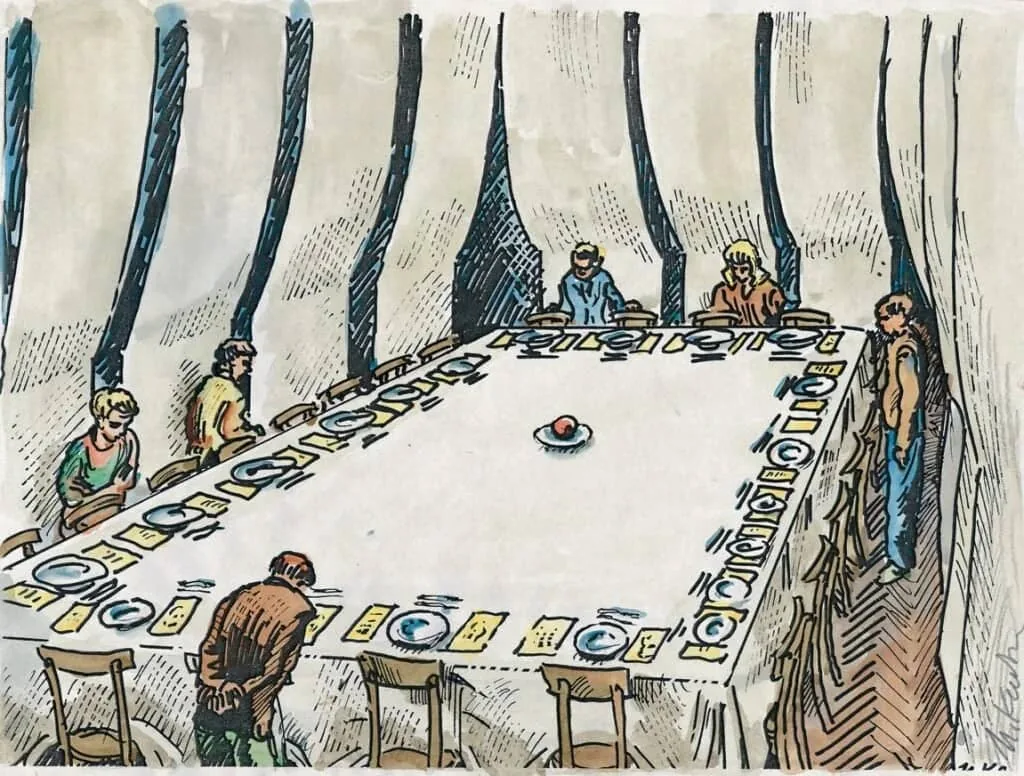
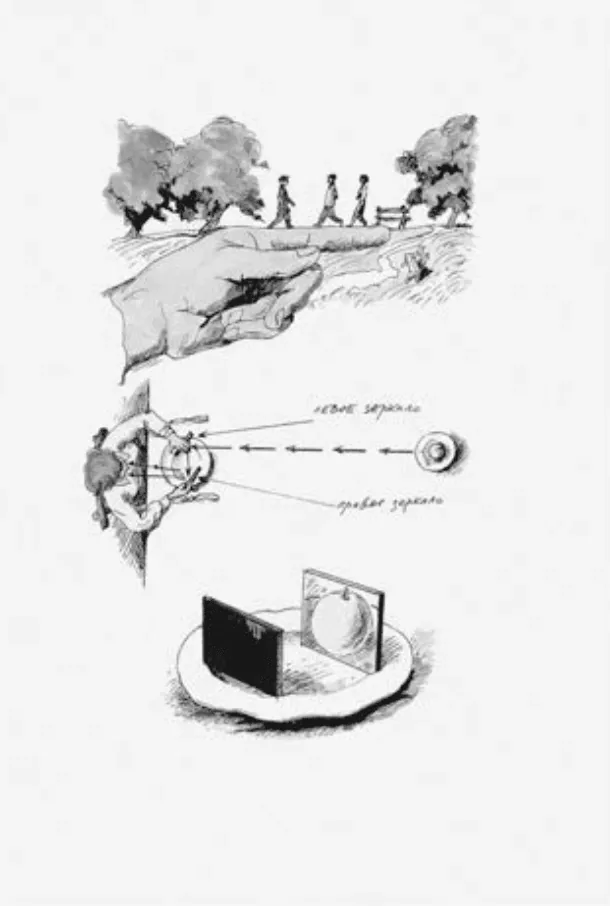
In front of each seat is a card showing the perspective from which that person would reach for the apple.
A scientifically minded person calculates the distance between himself and the apple.
A theatrically inspired person pretends to have a heart attack, dragging the tablecloth so the apple moves closer to him.
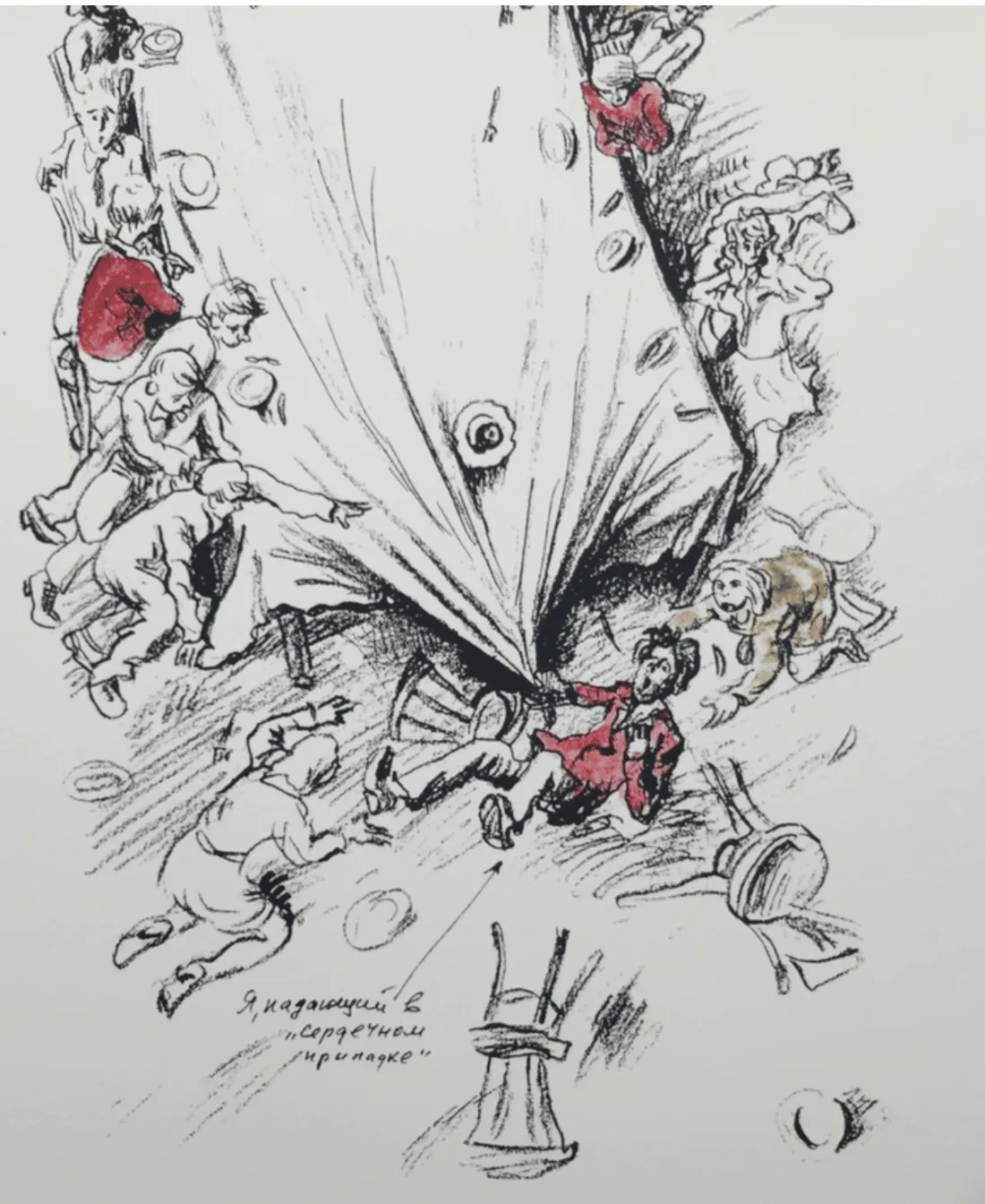
Each person thinks of a way, convinced his perspective is THE way.
The apple could represent many things.
I read it as the “objective” truth: the reality many try to grasp through theory, yet can never quite pin down with full certainty.
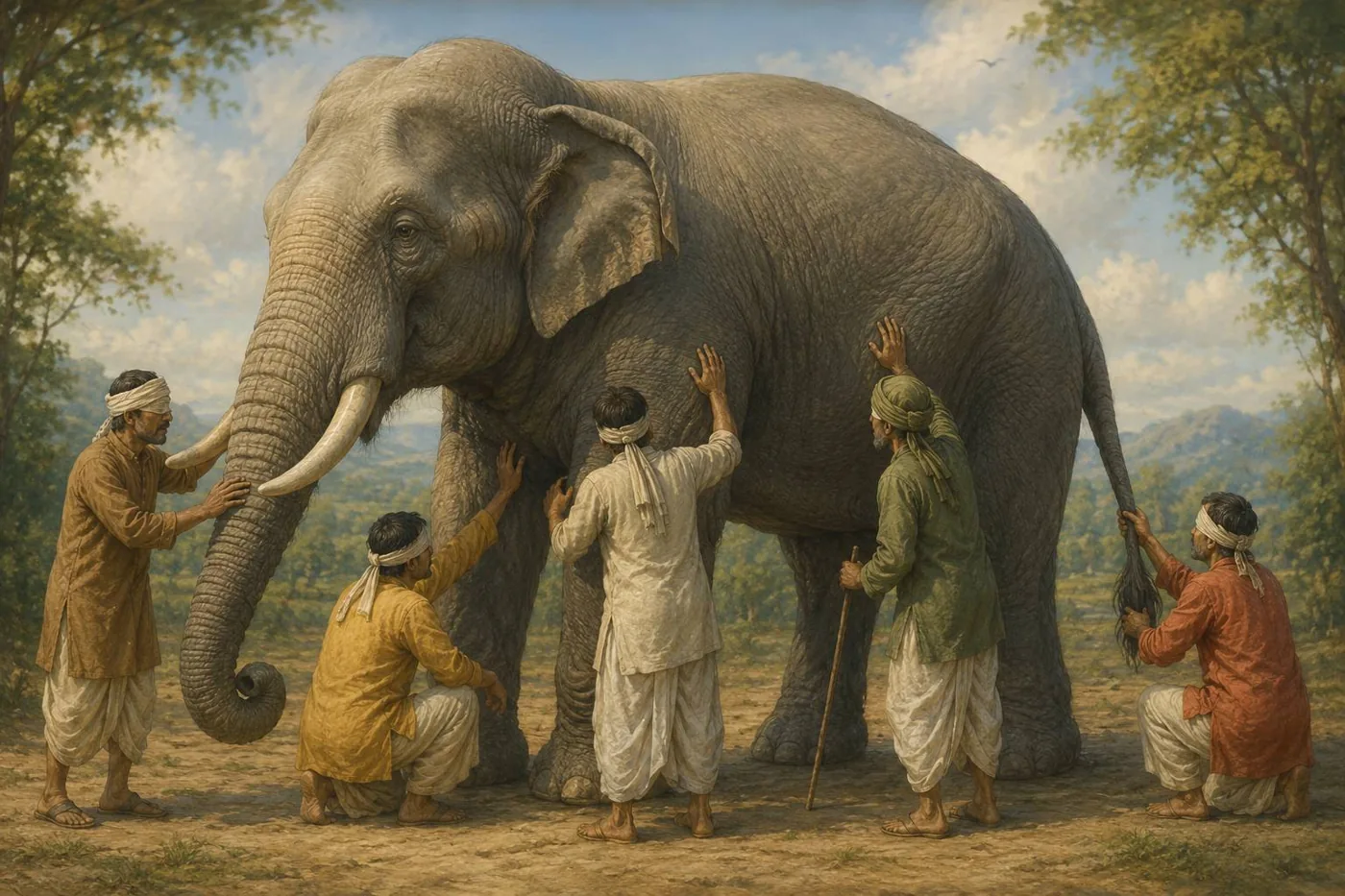
One of the most popular mental models for how we grasp the truth is the Blind Men and the Elephant.
It implies that each of us is one of the blind men. Each of us holds a piece of the truth, but not the whole.
By aggregating different people’s perspectives, we are told, we move closer to it.
AI is the new Apple
AI is humanity’s greatest attempt at aggregating perspectives.
Anthropic’s CEO puts it nicely: “Every AI cluster will have the brainpower of 50 million Nobel Prize Winners. It’s like having a country of geniuses in a data centre.”
Much of Silicon Valley’s mythology now positions AI as the nearest thing we have to an all-knowing “God”: the machine that knows every perspective across space and time, and can therefore tell us what is true.
AI is the new Apple, the symbol of knowledge.
The one to consult for the answer, the strategy, the missing piece.
The one we ask before we ask ourselves.
The flaw in the metaphor
There is a hidden limitation in the Blind Men and the Elephant.
It teaches us to collect more perspectives instead of investigating the blindness.
The assumption baked into the metaphor is that the man stays blind.
He cannot regain his vision or take off his blindfold to see what the truth actually is.
It assumes he needs everyone else’s perspectives to understand the true nature of reality.
The sages turned inward
Sages across centuries and cultures did not arrive at the truth by collecting other people’s opinions.
They arrived there by turning their awareness inward.
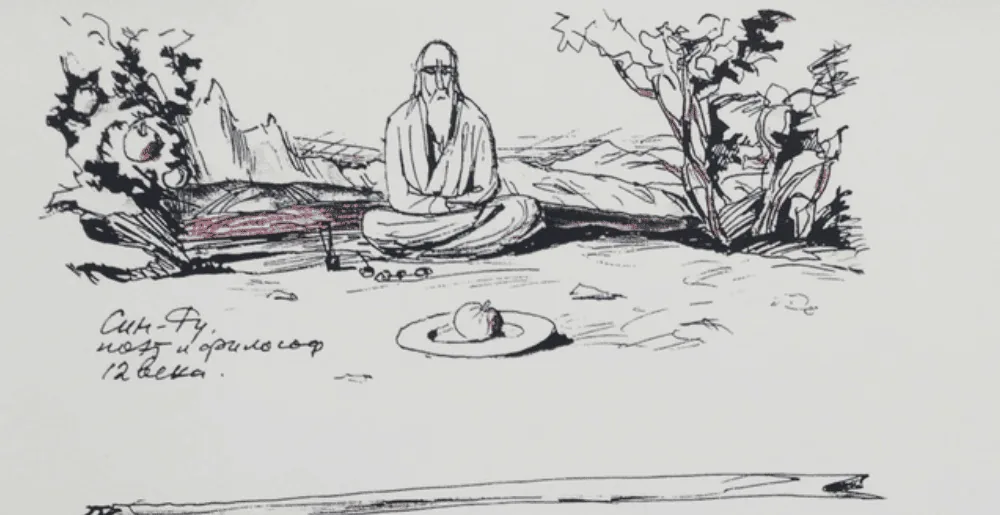
They became quiet enough to notice the difference between noise and knowing.
In that silence, they saw that the truth they had been reaching for was never outside them.
They understood that they did not need to reach for the Apple.
They are the Apple.
We can be like them.
We can choose to take off the blindfold.
We can choose to listen to our inner truth: to our soul, our intuition, our dreams, our somatic intelligence, the whispers from the unconscious.
We can choose to listen to the wisdom within.
An AI that hands you back to yourself
I am not against AI. But it is a double-edged sword, and how we use it matters.
I am against an AI that quietly trains us to outsource our truths.
An AI that teaches us to ask outward before we listen inward.
An AI that impresses us while slowly dulling our critical thinking.
So I designed an AI that does the opposite.
An app that does not try to become your god, and does not pretend to know your truth better than you do.
It guides you to listen to the wisdom within.
This is my first attempt. It is not perfect yet, but give it a try.
Have a play. Flirt with it. Break its heart.
Tell me what it gets wrong. Tell me what it wakes up.
More versions are coming soon.
Sign up for beta access. The beta is free. Or take the quiz to see the patterns running you.
Continue reading
Explore the full Expand Your Consciousness pillarRelated
Read next
Expand Your Consciousness
How to Use AI as Your Spiritual Guide
AI can hold many frameworks at once, without choosing a side. Here is how to use AI as a spiritual guide: a mirror and a translator for the unseen patterns shaping your life.
Expand Your Consciousness
Kundalini Rising: What I Learned When the Serpent Found Me
A first-person account of kundalini rising, ayahuasca, and what the serpent actually represents in ancient traditions.