
Abundance vs Scarcity Mindset: How One Habit Made Wahei a Billionaire
Most rich people aren't happy. The ones who are share one filter, abundance. How Wahei Takeda built a fortune on a single morning ritual.
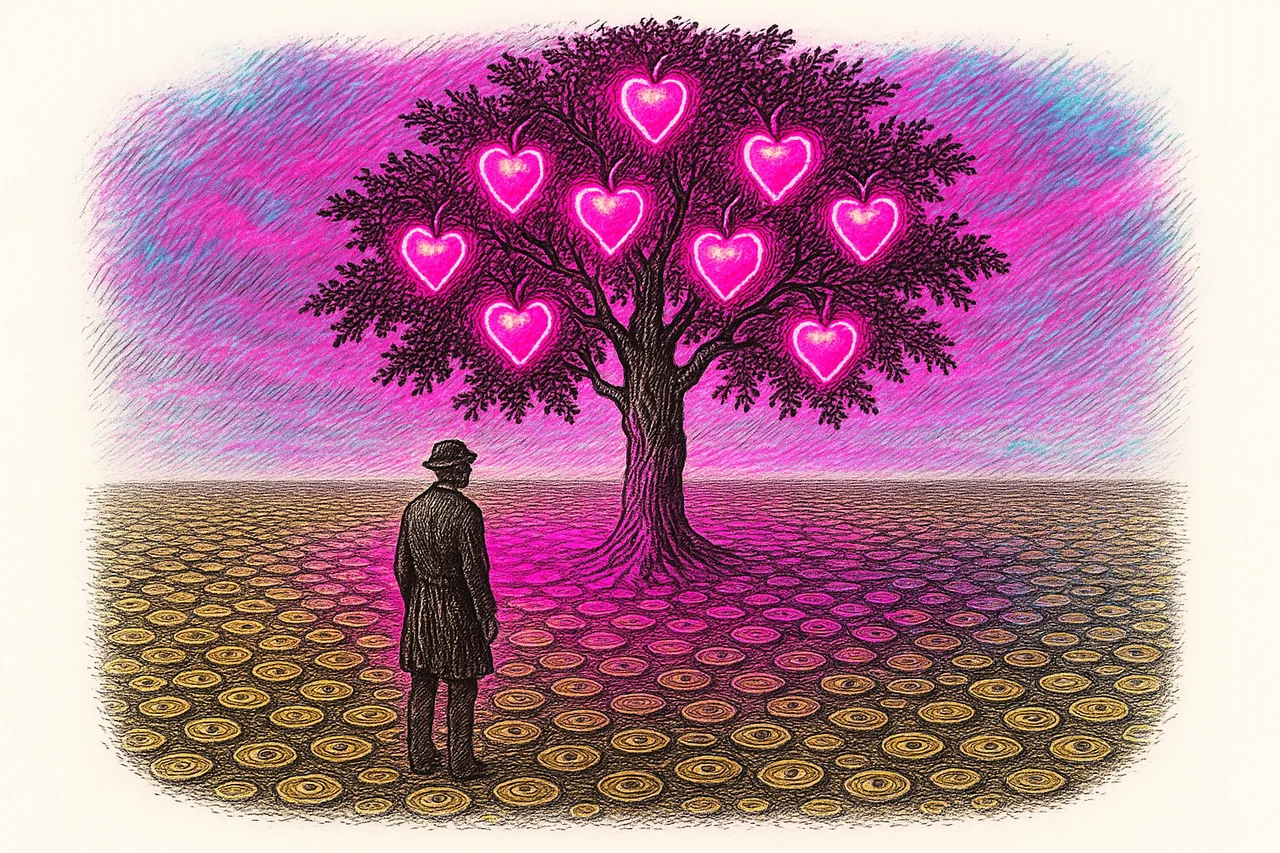
Your unconscious is filtering "reality" 24/7, and most people never realise their filters were preset before they could choose.
Let's play a 30-second game first.
Spend 10 seconds identifying everything around you that is green.
Now find everything that is white for the next 10 seconds.
Finally, identify everything that is blue for the next 10 seconds.
You might notice some objects you had previously overlooked; perhaps you are starting to see familiar things differently, or noticing subtleties within a colour you hadn't registered before.
This is your unconscious filter at work, and the same mechanism is deciding whether you live in scarcity or abundance.
Through the looking-glass
We do not perceive reality as it is.

Our unconscious is filtering the "reality" we see 24/7. It presets these filters to show us the reality we expect to see based on our past experiences.
If you grew up hearing "there's never enough money," your unconscious will set scarcity as the default filter. This becomes the primary lens through which you view life, resources feel limited and everything becomes a zero-sum game.
If you grew up in a traumatic environment where your unconscious was constantly scanning for danger, your mind will likely remain on high alert. Even when you are no longer in that environment, you might still scan for threats rather than joy and peace.
Similarly, if you have known love as something painful throughout your life, your unconscious will set this as the default filter and effectively block you from experiencing love as anything other than pain.
Like the colour-filter game, if you have filters for blue, you are more likely to see blue objects and overlook the rest of the world.
Until you reset the filters, you cannot experience reality in any other way.
Wahei Takeda: the billionaire who talks to trees
Before he became the Warren Buffett of Japan, Wahei Takeda talked to trees, birds, and rocks. He even spoke to the cookies coming off the production line at his confectionery factory.
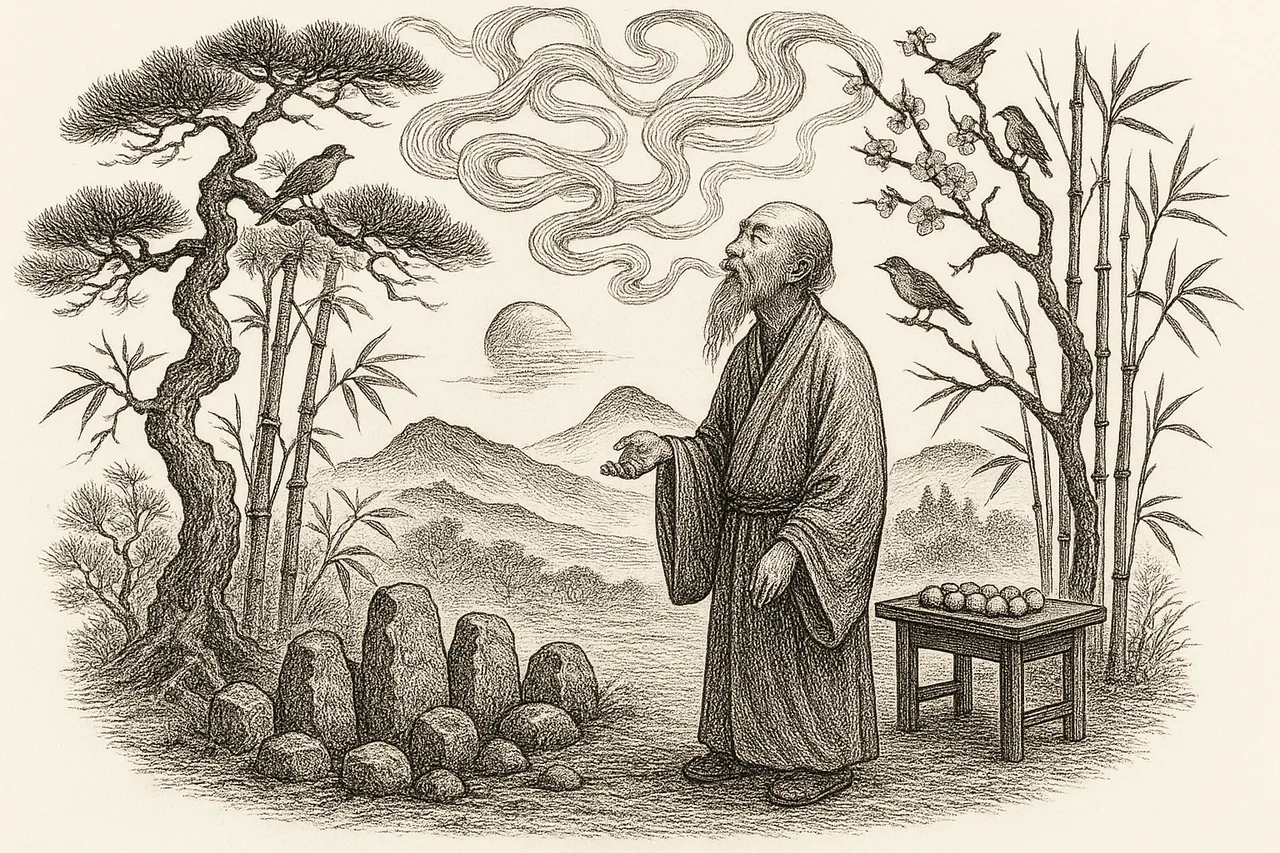
He played music singing Arigato, the Japanese word for thank you, while the cookies were being produced. Each cookie would have heard a million thank yous before it reached the hand of a child.
In 1943, Wahei was a ten-year-old boy who had been evacuated from Nagoya to rural Fukui Prefecture. While there, he was bullied and discriminated against as an outsider.
There was plenty of evidence from his environment growing up that could have preset his filters to see scarcity, cruelty, and the worst in people. He could have kept those lenses, and most people would have. But he looked at the same evidence and made a different decision.
He decided to see differently.
He chose to see abundance where the world had shown him scarcity, and gratitude where it had offered him grievance.
Wahei has one daily ritual.
Every morning, before breakfast, he says thank you hundreds of times, sometimes reaching as many as one thousand repetitions.
That daily practice, accumulated across a lifetime, made him one of the wealthiest investors in Japanese history.
Wahei did not become grateful because his life was abundant. His life became abundant because he practised gratitude before there was any obvious reason to feel it.
He reset the filters first. Reality followed.
What the research actually shows
Paul McKenna, one of the UK's top hypnotherapists, interviewed hundreds of the richest people globally. Ken Honda, a Japanese author and millionaire, interviewed over 12,000 millionaires and billionaires in Japan and abroad to understand the secrets of financial success and happiness.
They both found the same insight:
Not all rich people are happy. Most aren't.
But the ones who are both rich and happy share one thing in common:
They have an abundance mindset.
They've reset their filters to see reality as full of abundance, not just in wealth, but in all areas of life. They aren't stuck in a victim mindset, blaming their past, others, or the world for unconsciously presetting their filters.
They made the choice to change their filters, so they could experience reality differently.
They take control of their own reality.
And so can you. But first, you have to see the filters.
What is the scarcity mindset?
Scarcity mindset is the filter that tells you there isn't enough. Not enough money, not enough time, not enough love, not enough opportunity, not enough success. Underneath sits the assumption that life is zero-sum: if someone else gets more, you get less. The filter keeps you operating from a place of fear, hoarding, and self-protection.
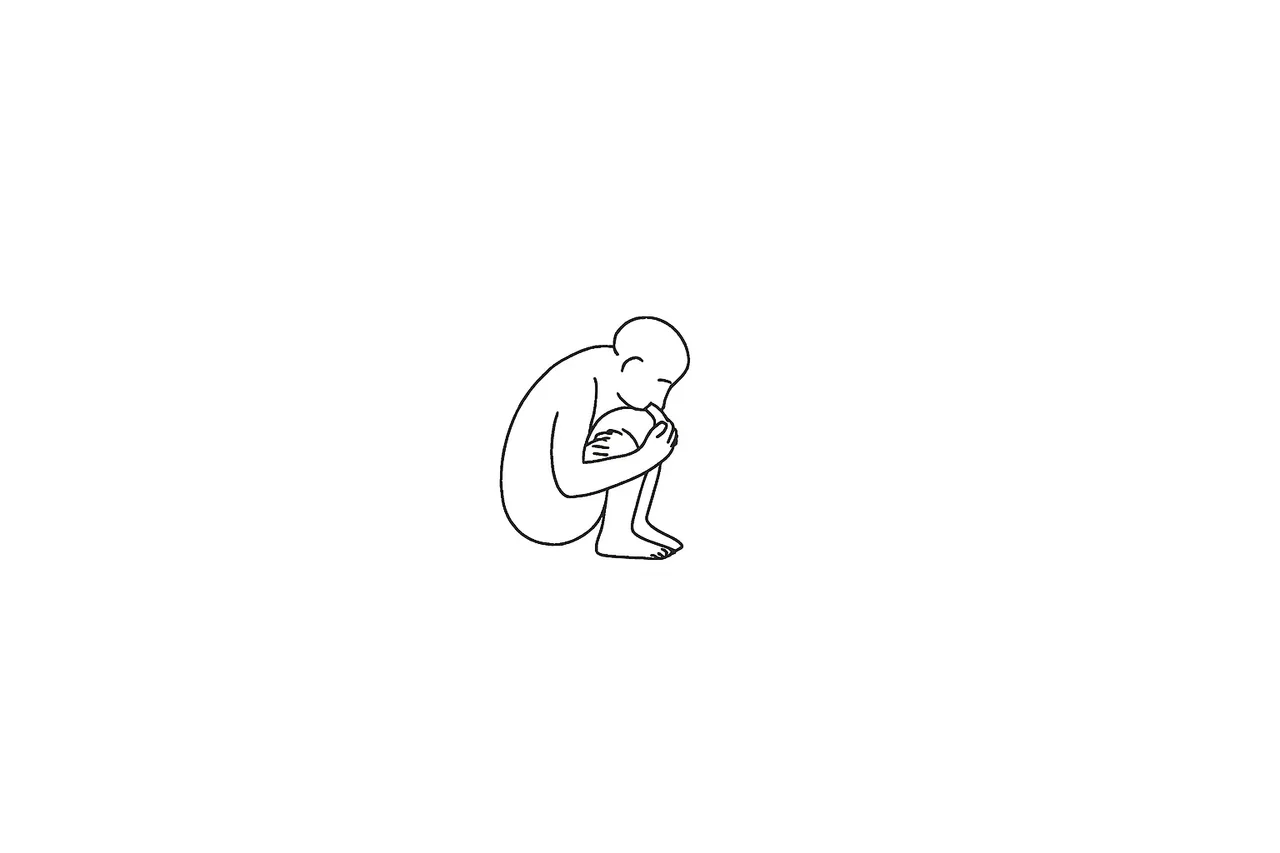
It usually wasn't a conscious choice. The filter was set early, in a household where money was tight, attention came with conditions, or your environment trained you to scan for threat before joy. It keeps running long after the original conditions are gone.
In business, scarcity shows up in practical ways.
You don't invest because you're afraid of losing the money.
You undercharge because you can't quite believe people will pay your real rate.
You refuse to delegate because you 'can't afford' help.
You don't share your ideas because you believe someone will steal them.
You hoard clients and methods instead of referring or sharing.
You treat every other founder in your niche as competition for a shrinking pie.
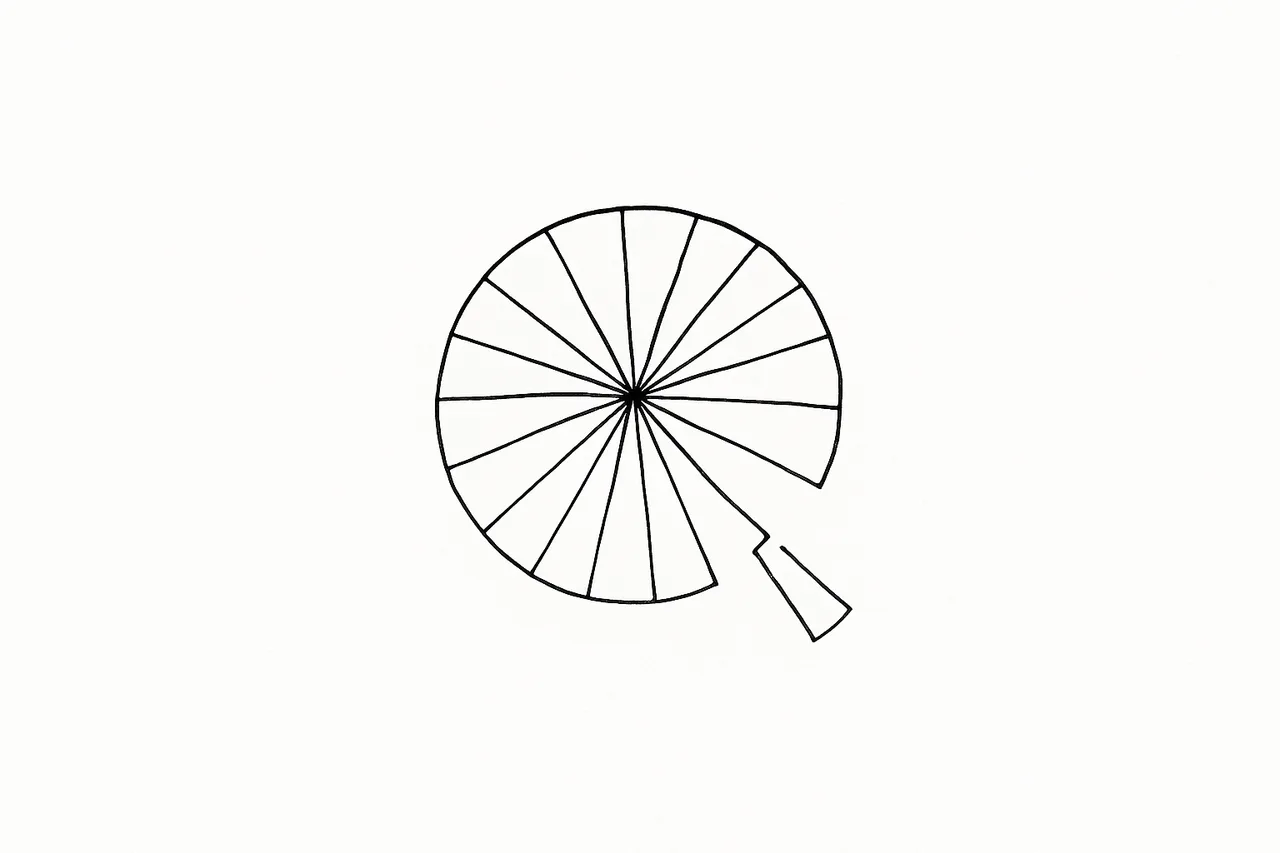
The same filter shows up in life. You stay in a situation that no longer fits because you don't believe a better one exists. You make decisions weighted toward what you might lose rather than what you might gain. The unconscious belief running underneath is that the next opportunity could be the last.
Scarcity also hides inside identity. 'I am not enough' and 'love is conditional' are scarcity beliefs at the root. The perfectionist who can never finish is operating from scarcity, because there isn't enough quality in their work. The people-pleaser is operating from scarcity, because there isn't enough love to go around unless it's earned.
To discover how scarcity is currently filtering your life, you can take the personal quiz. To see how it's running underneath your business decisions, take the business quiz. And if you want to talk to our AI coach who surfaces the unconscious beliefs behind your patterns, you can apply to be a beta tester for Surreal Guide.
What is the abundance mindset?
Abundance mindset is the opposite filter.
The one that tells you there is enough, and that life is not zero-sum.
Opportunity, success, love, money, and creativity are not finite resources that run out when someone else takes some.
The filter lets you see what is already available to you, even when it doesn't arrive immediately or in the form you hoped for.
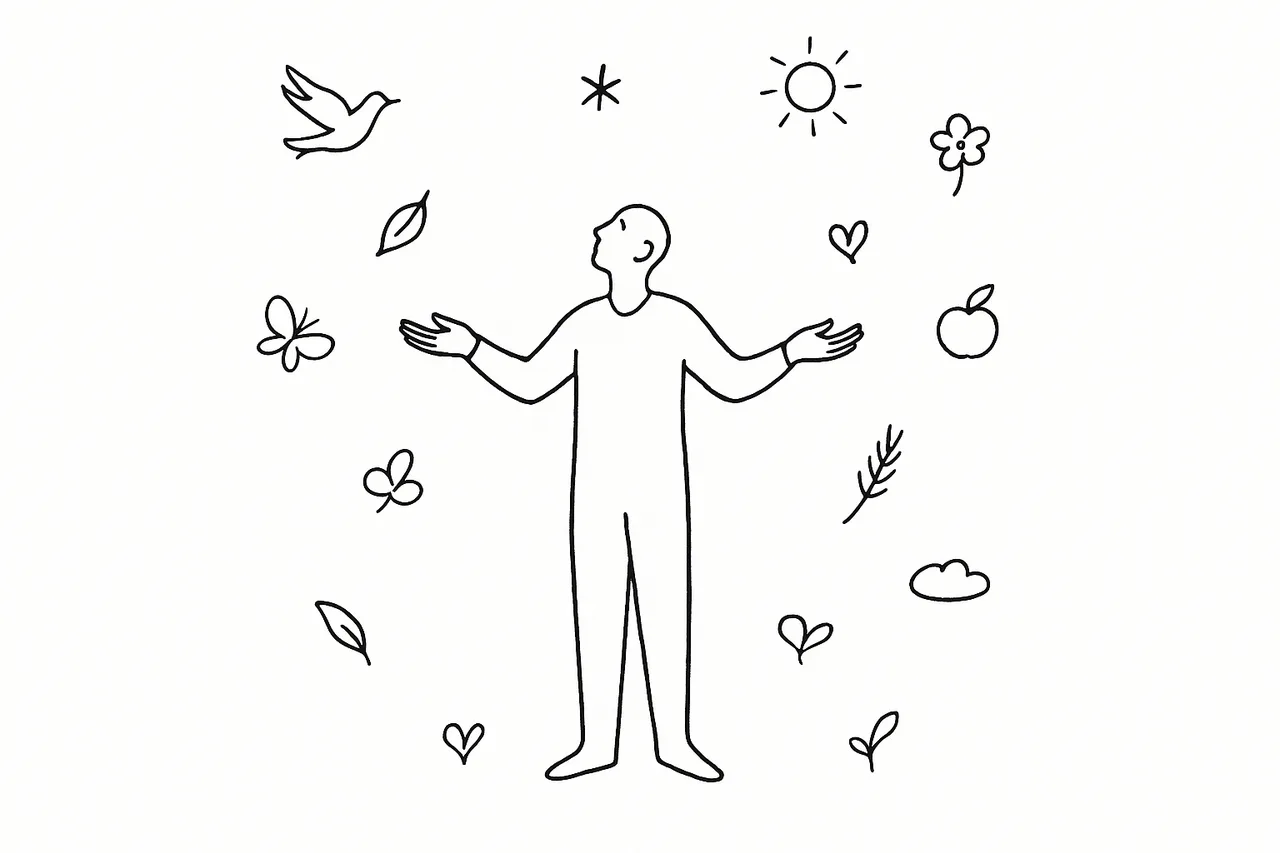
In business, abundance shows up as a willingness to act before there's proof. You invest before you see the return. You charge what your work is worth because you trust the right people will pay it. You share ideas freely because you believe more will come.
The same filter shows up in life. You leave a situation that no longer fits because you trust something better exists. You weight decisions toward what you could gain rather than what you might lose.
Why your unconscious filters keep you stuck
The primary job of the unconscious isn't to make you successful or happy. It's to keep you safe.
To the unconscious, "safe" means familiar.
This means keeping the filters on so you are protected from ever being hurt the same way again.
Just because a filter kept you safe in the past doesn't mean it's serving who you've become or who you want to become. It just means it's the only operating system your brain has ever known.
Imagine one day you touched something green and it burned you. Your unconscious made a note: green is dangerous. From that point on, it filtered green out of your reality.
Now you can no longer see the grass, the trees, the garden outside your window.
Entire dimensions of the world simply edited out, because something green hurt you once.
You spend years living in a smaller version of reality than the one actually around you.
If you'd like to see which filters are running for you specifically, take the personal quiz for life patterns, the business quiz for your business patterns, or apply as a beta tester for Surreal Guide, our AI coach that surfaces the unconscious beliefs behind your problems.
How to shift from scarcity to abundance (the 7-day experiment)
The experiment:
For the next seven days, say thank you to 100 things daily, ideally as soon as you wake up.
After a week, notice what's changed.
If you want to see what your unconscious filters look like in your personal life, you can take the personal quiz. If you want to see what they look like in your business, you can take the business quiz. And if you want to talk to our AI coach who surfaces the unconscious beliefs behind your problems, you can apply to be a beta tester for Surreal Guide.
FAQ
What is the difference between abundance and scarcity mindset?
A scarcity mindset treats resources, opportunities, and love as inherently limited. An abundance mindset treats them as available in principle, even when not immediately accessible. Both are unconscious filters, not personality traits, which means both can be changed.
Can you change a scarcity mindset?
Yes, but slowly, and through evidence rather than affirmations. Affirmations alone often fail because the unconscious dismisses them as wishful thinking. Repeated lived evidence (gratitude practices, noticing where abundance already exists, reframing past memories) updates the filter more reliably.
How long does it take to develop an abundance mindset?
Most people notice subtle shifts within 2, 3 weeks of consistent gratitude practice. Deeper unconscious filters can take 60, 90 days of repeated practice to update meaningfully. Wahei Takeda did it for 80+ years, and his fortune was the byproduct, not the goal.
Is the abundance mindset just toxic positivity?
No. Toxic positivity denies hardship and bypasses real emotion. The abundance mindset doesn't deny scarcity exists, it acknowledges it AND chooses to see what else is also true. Wahei wasn't pretending poverty wasn't real in 1943. He was choosing what to do with the evidence in front of him.
Why do most rich people lack an abundance mindset?
Because wealth alone doesn't update the filter. If your scarcity filter was installed at age six, no amount of money in your bank account at 50 will change what your unconscious lets you see. The wealthy-and-happy are wealthy because they updated the filter, not the other way around.
Continue the work
"We do not see things as they are, we see them as we are.", The Talmud
This piece is about the filter. The deeper work is understanding why your unconscious chose the filter in the first place.
- Tap into the Power of the Unconscious, the broader pillar this sits inside.
- Self-Development & Personal Growth, for the reading list past the bookstore basics.
With love,
Ginny Wan
Related
Read next
Coaching for Entrepreneurs & High Achievers
15 Mental Models From The World's Top Performers
The most successful people consciously design their mental models. 15 frameworks from Warren Buffett, Jeff Bezos, and Steve Jobs you can install today.
Coaching for Entrepreneurs & High Achievers
How to Use Jungian Active Imagination to Solve Business Problems
Carl Jung built a method for talking to the unconscious in metaphor. I used it to ask what my business actually looked like, and the answer changed how I ran it. A practical exercise for founders who want to see what their unconscious knows about their business.